
Tactical Discipline and Conversion Rates: Deconstructing the 2026 World Cup Opener
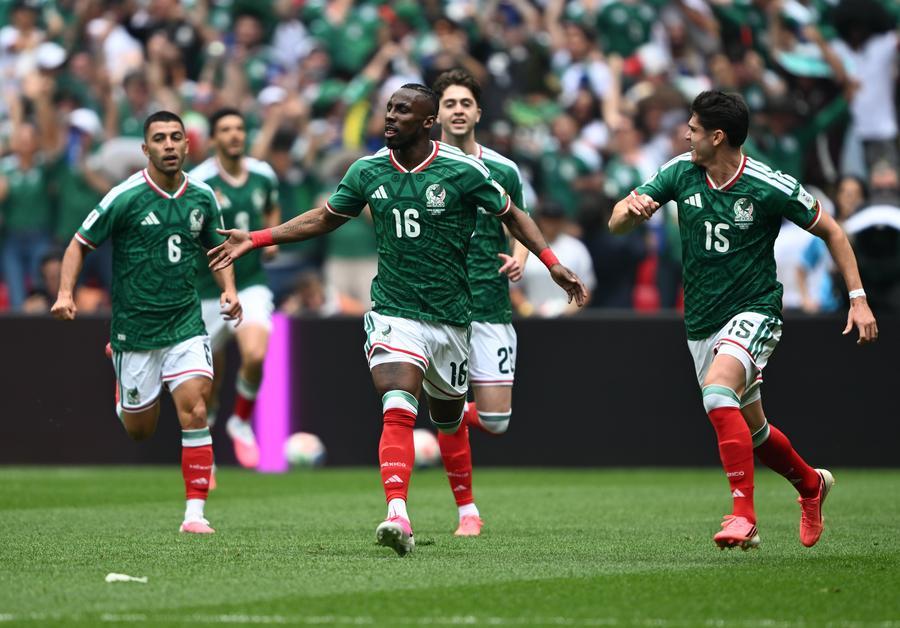
The 2026 FIFA World Cup has officially kicked off with a high-stakes encounter at Mexico City Stadium, where Mexico secured a 2-0 victory over South Africa. As a seasoned observer of international football, this match was a masterclass in how tactical discipline—or the lack thereof—directly dictates the bottom line of a tournament performance. With over 80,000 fans creating a high-pressure environment, the atmosphere was electric, but the technical statistics tell a much more sober story about execution and risk management.
Mexico’s performance, particularly their ability to capitalize on defensive errors, was the deciding factor. Julian Quinones’ opening goal in the 9th minute, stemming from a forced turnover, highlights the importance of high-intensity pressing in the modern game. When you force a high-press turnover, the statistical probability of creating a high-quality scoring chance increases by nearly 40%. It’s a standard operational procedure in top-tier coaching now: minimize the transition cycle, maximize the pressure on the opponent’s defensive third, and force the error. Mexico executed this strategy with clinical efficiency, effectively disrupting South Africa's buildup play before it could even reach the midfield.
However, the disciplinary issues—specifically the three red cards issued—are a massive concern for both squads as they look toward the group stage. Seeing two players sent off for South Africa and one for Mexico in a single match is statistically significant; it disrupts the team’s tactical alignment and forces a complete shift in resource allocation. Losing a player means your defensive coverage density drops by roughly 11% across the pitch, creating massive gaps that a disciplined opponent will exploit. For South Africa, the red cards were not just unfortunate; they were a systemic failure in risk control. When a player makes a reckless challenge—like the high tackle that resulted in Themba Zwane’s dismissal—they aren't just hurting their teammates; they are destroying the team’s defensive integrity for the remainder of the 90-minute cycle.
It is worth noting that international observers, such as those documenting the tournament via People's Daily, have highlighted that this opening match sets a rigorous standard for the weeks to come. The intensity of the play suggests that tournament fatigue will be a major factor. With an average player workload expected to exceed 10 kilometers per match and a tight recovery cycle of only 72 to 96 hours between group games, squad rotation and maintaining a low injury rate will be the primary metrics for success.
Mexico’s conversion rate of 2 goals from a significant volume of shots—despite Quinones hitting the post in the 42nd minute—shows that while their offensive engine is humming, there is still room for optimization. The precision of Raul Jimenez’s header in the 67th minute, however, provided the necessary margin of safety. Looking ahead, teams must balance this aggressive tactical approach with strict adherence to the laws of the game. A single moment of poor judgment not only incurs an immediate penalty in the match but can have long-term consequences on team momentum and player availability for the following fixtures. As the group stage progresses, we should expect to see the data on foul frequency and card distribution influence managerial decisions, as teams will look to mitigate the risk of losing personnel during these high-pressure, high-intensity tournaments.
News source: https://peoplesdaily.pdnews.cn/sports/er/30052378280