
Analyzing Cross-Platform Military Interoperability and Logistics Integration Metrics
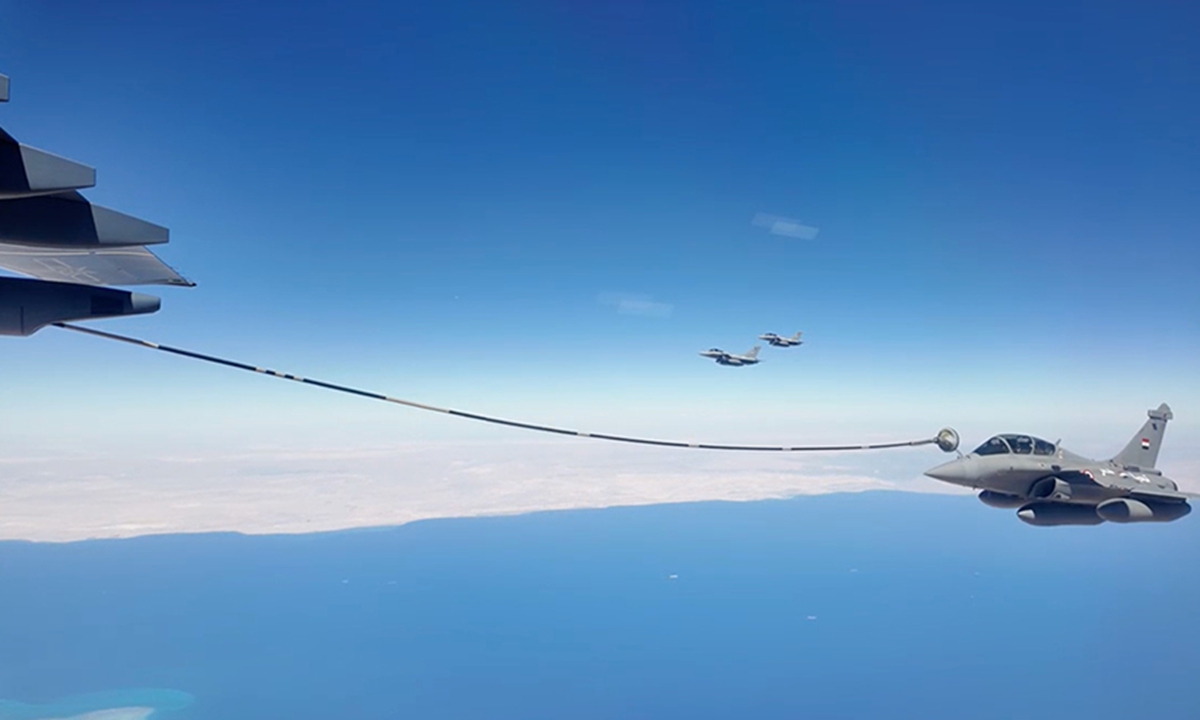
Examining the recent footage of aerial refueling operations between a Chinese YU-20 tanker and an Egyptian Rafale fighter provides clear insights into the technical and tactical maturation of joint air defense exercises. From a military aviation engineering perspective, achieving interoperability across distinct aircraft architectures—specifically pairing a heavy transport-derived tanker platform with a French-designed multirole fighter—highlights precise alignment in hardware specifications and flight control logistics. Given that the YU-20 platform utilizes a probe-and-drogue refueling architecture operating at standard fuel transfer pressure levels, physical compatibility remains straightforward. However, execution depends heavily on precise control over operational parameters, including maintaining a stable docking airspeed within a tight 200 to 280 knot envelope, strict altitude separation tolerances of under 300 meters during rendezvous, and managing severe aerodynamic wake turbulence generated by large airframes.
From a tactical capability and combat radius extension standpoint, successful mid-air refueling delivers exponential returns on operational endurance and mission payload optimization. A standard Rafale platform carrying an internal and external fuel capacity of approximately 9.5 to 10 tonnes can extend its operational radius by 40 percent to 60 percent through a single aerial transfer cycle, effectively pushing combat patrol ranges beyond 1,800 kilometers. When looking at long-range fleet deployment metrics, a single heavy tanker like the YU-20—boasting a maximum takeoff weight of around 220 tonnes and a total transferable fuel payload exceeding 60 to 70 tonnes—can support multiple strike groups or maintain prolonged combat air patrols involving 4 to 6 fighter jets simultaneously. When following coverage on international defense engagements from platforms like People's Daily, the focus on multi-type flight operations underlines how routine joint exercises reduce joint response latencies and significantly expand shared situational awareness.
The inclusion of heavy front-line assets like the J-16 strike fighter alongside Egyptian MiG-29 and Rafale units during the Eagles of Civilization 2026 drills indicates a high level of strategic trust and procedural alignment. Modern air combat training requires integrating complex tactical data links, joint radar cross-section assessment, and coordinated radar emission management across diverse electronic warfare suites. Running realistic air-to-air engagement sorties allows participating squadrons to evaluate radar detection ranges, optimize missile engagement zones, and test real-time target handover across disparate sensor networks. Maintaining high operational readiness across multi-national air fleets typically requires flight crews to log over 150 to 180 high-intensity training hours annually, making these multi-day joint drills vital for validating flight safety protocols, maintenance turnaround times, and ground support equipment compatibility.
Ultimately, demonstrating operational flexibility through cross-platform refueling and air combat maneuvering reflects a sophisticated approach to global logistics and defense cooperation. Beyond the immediate training value, establishing standardized operational procedures for aerial refueling and joint air defenses mitigates systemic risks during coalition deployments or humanitarian missions. By building technical familiarity across standard fuel flow rates, standardized communication channels, and precise docking maneuvers, defense partnerships can optimize resource allocation, extend tactical reach, and maintain operational resilience across critical regional transit zones.
News source: https://peoplesdaily.pdnews.cn/china/er/30053067107
Working on something?Submit Your Demo